Skip to content
Hafenlogik

Team

Two partners. No pyramid.

There is no engagement manager, no analyst pool and no methodology team. The person you meet in the scoping call is the person on the terminal at 05:00 and the person who writes the report.

The partners

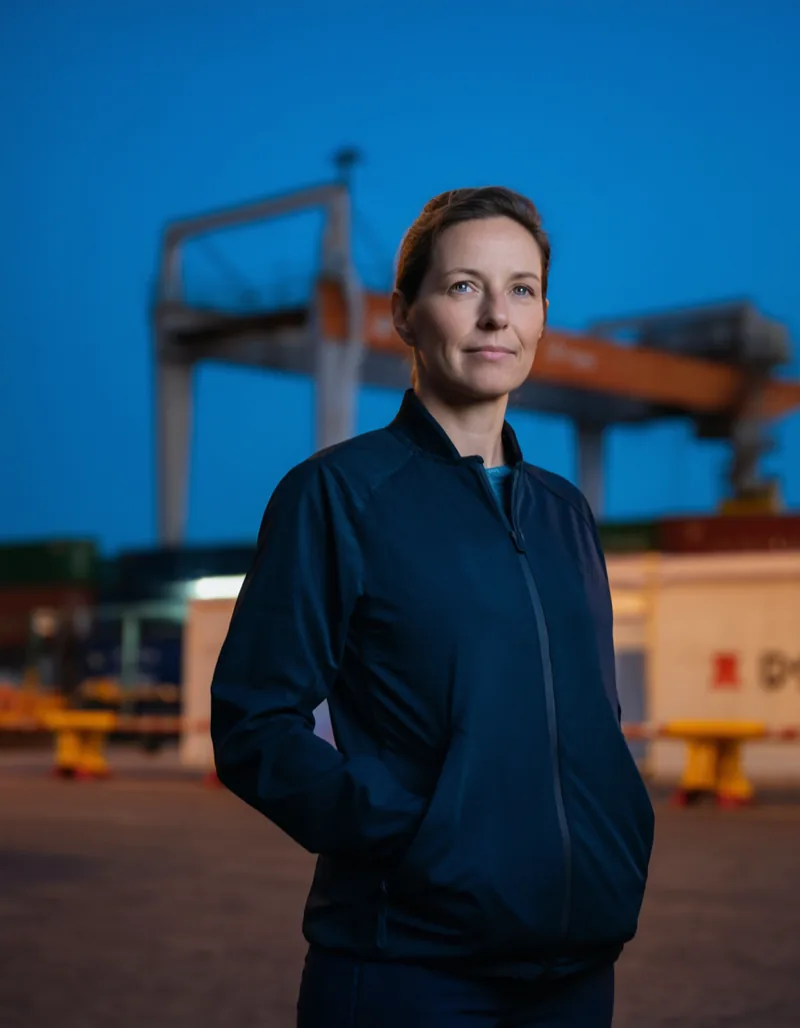
Dr. Annika Rehder standing on a container terminal quay at blue hour

Dr. Annika Rehder

Managing partner

Focus
Terminal operations · Rail-port interface
Languages
German, English, Danish

Annika spent eleven years in terminal planning at container terminals in Hamburg and Aarhus, latterly running berth and yard planning for a facility handling just over a million TEU a year. She moved into consulting in 2013 because the interesting problems kept turning out to be at the boundary between two organisations, where nobody inside either one is allowed to look.

Her doctorate at TU Hamburg was on stochastic yard allocation under uncertain arrival times, which is a long way of saying she spent four years on the question of what to do when the ship is late and you have already decided where to put the boxes. She is the partner most likely to ask for the raw export rather than the report.

Background

  • Dr.-Ing., Technische Universität Hamburg — stochastic yard allocation
  • Eleven years terminal planning, Hamburg and Aarhus
  • Head of berth and yard planning, 1 m TEU facility
  • Co-founder of Hafenlogik, 2013
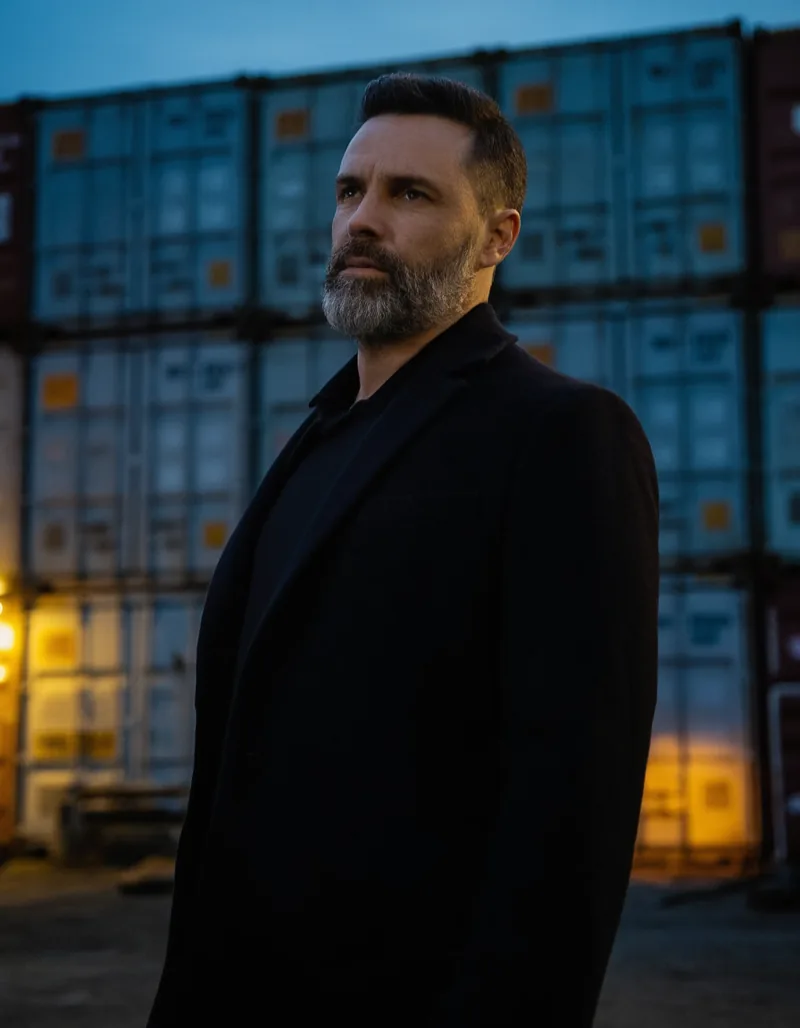
Malte Cordsen standing in front of stacked shipping containers at dusk

Malte Cordsen

Partner

Focus
Customs & compliance · Cold chain
Languages
German, English, Dutch

Malte trained as a forwarding agent in Hamburg, spent fourteen years in customs and sea freight, and ran the customs department of a mid-sized forwarder with an AEO-F authorisation through two audits and one system migration. He knows what a declaration looks like at 17:40 on a Friday when the vessel cut-off is at 18:00.

His cold-chain work started by accident, when a client's fruit claim turned out to be a customs data problem masquerading as a temperature problem. He now runs the cold-chain risk mapping practice and has an unpopular but well-evidenced opinion about how many reefer plugs most yards actually need.

Background

  • Kaufmann für Spedition und Logistikdienstleistung, Hamburg
  • Fourteen years customs and sea freight
  • Head of customs, mid-sized forwarder, AEO-F
  • Co-founder of Hafenlogik, 2013

Beyond the two of us

We bring in specialists, and we tell you who they are.

For rail traction planning, data engineering on very large TOS exports, and Dutch and Belgian customs law we work with four long-standing associates. They are named in the proposal before the engagement starts, they sign the same NDA, and their days are billed at our day rate with no margin added. We do not put an associate in front of you as though they were us.

  • Named in advance

    Anyone who will see your data is named in the proposal, before you sign.

  • Same confidentiality

    Associates sign the same non-disclosure agreement we do, with you as the counterparty.

  • No margin

    Associate days are billed through at our standard day rate. We do not mark them up.

How we work

Four habits that make us slower and better.

  1. 01

    Raw data or nothing

    We ask for the export, not the dashboard. Someone has already made decisions inside a dashboard, and those decisions are usually where the answer is hiding.

  2. 02

    One full cycle before an opinion

    We watch a complete operational cycle — including the night shift and the peak day — before we say anything, however obvious the problem looks on day one.

  3. 03

    The peak week, not the average

    Averages hide the days that hurt. Every recommendation is stress-tested against your worst normal week.

  4. 04

    We come back at 90 days

    The review is in the fee, not an upsell. If the intervention did not work we would rather find out with you than read about it.

Meet whichever of us fits the problem.

Tell us the symptom in the booking note and we will put the right partner on the call.

Book a 45-min scoping call